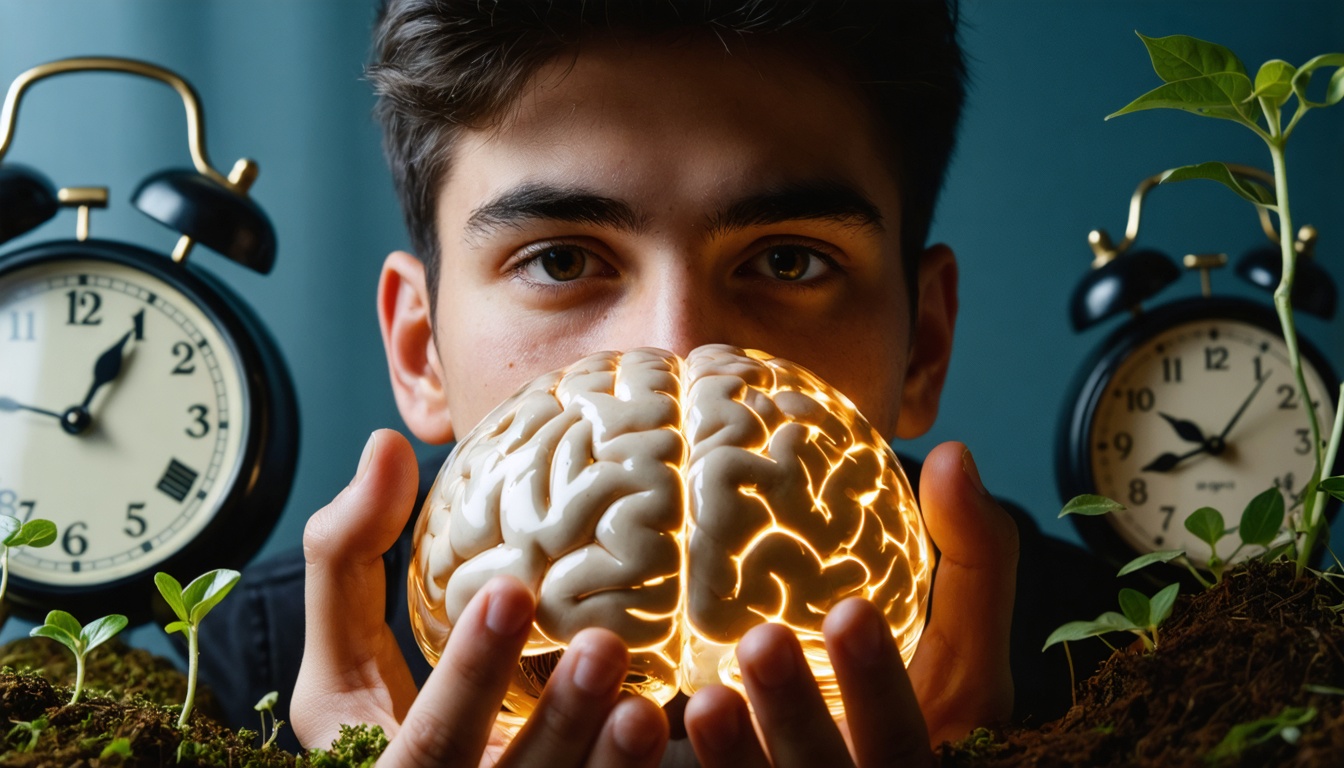
How Long It Takes the Brain to Recover From Addiction
When you’re overcoming addiction, you might wonder just how long your brain needs to heal. Recovery isn’t as straightforward as flipping a switch; it’s shaped by the substance you used, how long you depended on it, and your own biology. You’ll notice changes in memory, mood, and decision-making as time goes on, but the complete story of brain recovery is more complex than it first appears. There’s more you’ll want to uncover.
Understanding Addiction as a Chronic Brain Disease
Addiction is recognized as a chronic brain disease, a condition that escalates beyond initial voluntary substance use. Research indicates that substances such as alcohol, cannabis, and opioids significantly impair neural functioning. Imaging studies reveal that these dependencies disrupt brain activity, which can adversely impact long-term memory and cognitive processes.
Particularly, the brain's reward system undergoes structural changes due to an abundance of dopamine, which can impair judgment and alter bodily functions.
Importantly, recovery from substance use disorder is attainable. Prolonged periods of abstinence have been associated with observable improvements in brain function as evidenced by Magnetic Resonance Imaging (MRI) techniques. Support from one of the best drug rehab centers in San Diego can help individuals achieve and sustain this kind of long-term recovery.
Moreover, it is essential to recognize that individuals, notably younger populations, grappling with substance use disorders require comprehensive support. Access to resources, continual education on treatment strategies, and updates on public health initiatives are crucial in effectively addressing this pervasive issue.
The Brain’s Reward System and Substance Use
Dopamine is integral to the brain's reward system, which reacts to both routine activities and substance use. The consumption of alcohol and various drugs, including cannabis and opioids, leads to an excessive activation of the reward center in the brain, surpassing the stimulation typically generated by natural rewards.
Neuroimaging techniques, such as Magnetic Resonance Imaging (MRI), have revealed changes in brain structure and function associated with substance dependence, craving, and memory. Over time, individuals who engage in substance use may experience a diminished capacity to derive pleasure from these substances.
Despite this reduction in pleasure, maintaining long-term abstinence can be difficult, as the desire for the substance may persist or even intensify. Research indicates that those struggling with substance use disorders, including alcohol abuse, often face impaired cognitive function and decision-making abilities, which can adversely affect their mental health, particularly among younger populations.
These findings underscore the complex interplay between substance use and neurological changes, emphasizing the need for comprehensive approaches to prevention and treatment.
Factors Influencing the Recovery Timeline
Because the process of brain recovery after addiction is highly individual, several factors shape both the pace and extent of healing. Different types of substances, like alcohol, cannabis, or opioids, impact neural activity and brain function variably. Imaging studies, including Magnetic Resonance, reveal structural changes from dependence and Drug Abuse, with severity influenced by use, duration, and intensity. Young People and individuals with substance abuse, Drinking Alcohol, or alcohol abuse history may still face long Recovery periods. Your genetics, mental health, memory, and public health Support all matter. Abstinence, multimedia techniques, and Abuse Treatment Help bolster functioning in affected parts of the body.
Neuroplasticity and Brain Healing After Substance Use
Neuroplasticity, the brain's inherent ability to reorganize itself, is fundamental to the recovery process from substance use disorders. However, this recovery journey is complex and does not adhere to a uniform timeline. Imaging studies indicate that with sustained abstinence from substances such as alcohol and various drugs, both neural activity and structural integrity of the brain can exhibit improvement.
Nonetheless, the extent and speed of these changes can differ significantly among individuals. During the early stages of recovery, alterations in dopamine pathways—critical for reward processing—and memory functions are often observed.
Despite these changes, many individuals may experience a lag in overall cognitive functioning, which can impact their daily lives and recovery efforts. Empirical research examining individuals with various forms of substance dependence, including alcohol and cannabis, suggests that the patterns of substance use and the specific types of substances abused considerably affect both the recovery experience and outcomes.
Moreover, a multitude of factors—including social support systems, available resources, therapeutic techniques, and structured treatment programs—have been shown to contribute positively to recovery and public health outcomes.
These elements collectively enhance the likelihood of successful rehabilitation and underscore the importance of a comprehensive approach in addressing substance use disorders.
Effects of Specific Substances on Brain Function
The effects of various substances on brain function are influenced by the chemical properties of each drug, leading to distinct changes in brain structure and function. For example, chronic alcohol abuse has been associated with structural alterations in the brain that adversely affect decision-making processes and memory capabilities. Research indicates that such changes can result in long-term cognitive impairments.
Cannabis use, particularly among younger individuals, impacts specific neural regions associated with memory recall. Studies suggest that these effects may persist into adulthood, potentially influencing cognitive outcomes over the long term.
Opioid dependence has been linked to deficits in cognitive functioning, particularly affecting attentional capacities. These impairments can complicate recovery efforts and overall cognitive health. Similarly, methamphetamine use has been shown to disrupt motivation and emotional regulation, which can further exacerbate challenges associated with addiction recovery.
Each of these substances engages the brain’s reward system by significantly increasing dopamine levels, leading to long-lasting alterations in brain function and activity.
Current research indicates that recovery from substance use disorders is not uniform; rather, it necessitates personalized approaches to support, resources, and treatment strategies tailored to the individual's needs. This highlights the importance of a comprehensive understanding of substance-specific effects on brain function to inform effective interventions.
Research Tools for Measuring Brain Recovery
Modern science employs a range of neuroimaging tools to evaluate brain recovery during addiction treatment. Researchers utilize techniques such as functional Magnetic Resonance Imaging (fMRI), electroencephalography (EEG), and functional near-infrared spectroscopy (fNIRS) to observe changes in both brain structure and activity over time. These methods provide insights into mental processes and neural functioning, as well as structural alterations linked to substance dependence, including alcohol, cannabis, and opioids.
Positron Emission Tomography (PET) imaging plays a crucial role in assessing the brain's dopamine and reward systems. This technique enables researchers to observe how these systems function as individuals undergo abstinence, with a focus on memory and recovery processes.
Additionally, multimedia approaches that integrate various imaging modalities can enhance the understanding and effectiveness of treatment strategies for individuals confronting substance use disorders.
The insights gained from these research methods contribute significantly to public health initiatives and resources aimed at managing the opioid crisis and other substance-related challenges. Such data are imperative for developing evidence-based strategies for addiction treatment and recovery.
Strategies to Support Brain Recovery
Supporting brain recovery following addiction necessitates a comprehensive and evidence-based approach. Abstaining from alcohol and other recreational drugs is essential, as this facilitates the gradual improvement of neural function, a phenomenon supported by findings from Magnetic Resonance Imaging studies.
Engaging in physical activity, practicing mindfulness, and maintaining a balanced diet can contribute to the restoration of neural activity in various brain regions. These lifestyle changes may enhance dopamine regulation, a key neurotransmitter involved in reward processing and memory formation.
Additionally, techniques such as meditation have been shown to strengthen neural circuits, especially in individuals with a history of substance dependence.
Social connections also play a crucial role in the recovery process, particularly for young individuals and adults recovering from alcohol and drug abuse. Meaningful interactions and support systems can promote emotional well-being and reinforce recovery efforts.
Moreover, it is important to note that structural repair of the brain is achievable over time with sustained abstinence from substance use. This suggests that while the path to recovery may vary among individuals, positive changes in brain structure and function are possible with commitment to long-term sobriety.
Accessing Support and Treatment Resources
Accessing appropriate support and treatment resources is a vital aspect of addressing substance dependence and facilitating recovery. Individuals seeking assistance can rely on the Substance Abuse and Mental Health Services Administration (SAMHSA), which provides confidential support for alcohol and other drug abuse treatment. Among their resources, SAMHSA emphasizes opiate response initiatives to address the specific needs related to opioid dependence.
Research indicates that the use of brain imaging and multimedia techniques can enhance recovery outcomes by improving neural functioning, memory, and dopamine activity, which are often compromised in individuals with substance use disorders.
SAMHSA also offers educational materials that focus on various demographics and substance use behaviors, including resources targeting young people, cannabis use, alcohol consumption, and drug abuse.
Furthermore, the SAMHSA helpline serves as a connection to various public health resources, allowing individuals to explore treatment options that may support long-term abstinence. For additional details on alcohol and drug initiatives and how to access support, please contact SAMHSA directly for structured information.
Conclusion
Recovery from addiction is a gradual process, and your brain needs time to heal. By staying committed to treatment, making healthy lifestyle changes, and seeking professional support, you’re giving yourself the best chance to restore your cognitive function and emotional balance. Remember, setbacks can happen, but ongoing care and self-awareness are key. The path isn’t always straightforward, but each step brings you closer to long-term recovery and a healthier life.
-
Find Me At

-
Recent Posts
-
Subscribe
-
Archives
-
Blogroll
-
- Best Engaging Communities
- Bill Johnston
- Christopher Carfi
- Clue Implementation Unit
- Commoncraft
- Communiteer
- Deborah Schultz
- Emergence Marketing
- Jake McKee
- Jason @ Social Media Explorer
- Jeremiah Owyang
- Jonathon Carson
- Lisa Whelan
- Microsoft Communities
- MVP Award Program
- Online Community Report
- Process of Change
- Scott Wilder
- Shel Holtz
- Social Degree
- WOMMA
- Yag
-
Categories
-
What others are reading
-
Del.icio.us
- Social Web